Understanding the psychological triggers behind gambling behaviors
The Allure of Risk and Reward
The thrill of gambling is often rooted in the psychological concept of risk and reward. The anticipation of winning can trigger the brain’s reward system, releasing dopamine, a chemical associated with pleasure. This chemical reaction can create a cycle where individuals seek the excitement of potential gains, overshadowing the potential losses they may face. Many players today also explore options like the best bitcoin casinos to amplify their experiences.
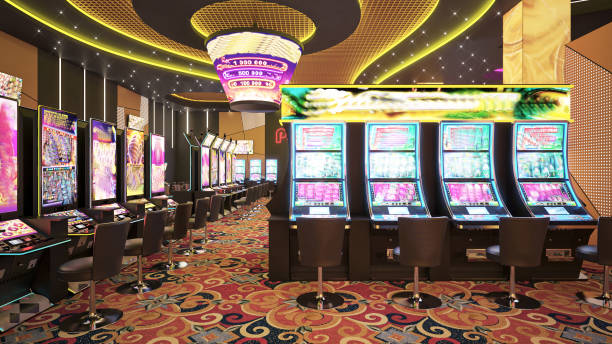
Moreover, this allure can be enhanced by the environment of gambling venues, which are designed to amplify excitement through lighting, sounds, and social interactions. Gamblers may find themselves drawn into the atmosphere, reinforcing the behavior through a pleasurable experience that is difficult to resist.
The Role of Cognitive Biases
Cognitive biases significantly influence gambling behaviors. For instance, the illusion of control leads individuals to believe they can influence outcomes in games of chance. This misperception can encourage continued gambling, as players feel they possess an advantage despite the random nature of these activities.
Another common bias is the gambler’s fallacy, where individuals believe that past events affect future outcomes, such as thinking a losing streak must end soon. These biases distort reality and can lead to poor decision-making, further entrenching gambling habits.
Emotional Factors in Gambling
Emotions play a crucial role in gambling behaviors. Many individuals gamble to escape from stress, anxiety, or depression, seeking temporary relief through the thrill of the game. This emotional coping mechanism can lead to a cycle of gambling as individuals continuously seek that high to offset their negative feelings.
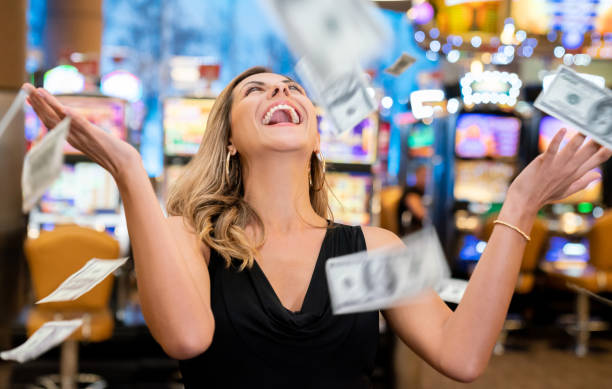
Additionally, positive emotions can also drive gambling behaviors. Celebrating wins can lead to overconfidence, pushing individuals to gamble more than they intended. This emotional fluctuation can create a precarious balance, making it challenging to maintain control over gambling habits.
The Influence of Social Dynamics
Social factors can also shape gambling behaviors. The influence of friends and family, as well as the culture surrounding gambling, can impact an individual’s likelihood to engage in these activities. When gambling is seen as a social norm, individuals may feel encouraged to participate, even if they have reservations.
Furthermore, social interactions within gambling environments can enhance the experience, making it more appealing. The communal aspect of group gambling can reinforce positive feelings and increase the desire to participate, blurring the lines between enjoyment and addiction.
Explore Professional Audio Support
For those looking to understand more about complex topics like gambling behaviors, high-quality audio content can be an invaluable resource. Professional audio production services can help create engaging podcasts and audio pieces that explore psychological concepts in detail.
With expert editing, sound design, and production capabilities, creators can transform their ideas into compelling audio narratives, making complex subjects accessible and enjoyable to a wider audience.