Understanding gambling addiction Signs, consequences, and recovery strategies
Recognizing the Signs of Gambling Addiction
Gambling addiction, often referred to as compulsive gambling, can manifest in various ways. One of the most common signs is a persistent preoccupation with gambling activities, where individuals may frequently think about past gambling experiences or plan future bets. This obsession often leads to neglecting personal, academic, or professional responsibilities, which can negatively affect relationships and performance in daily life. In the context of modern gaming, exploring the aviator game can provide insights into how gambling can become engrossing for many.
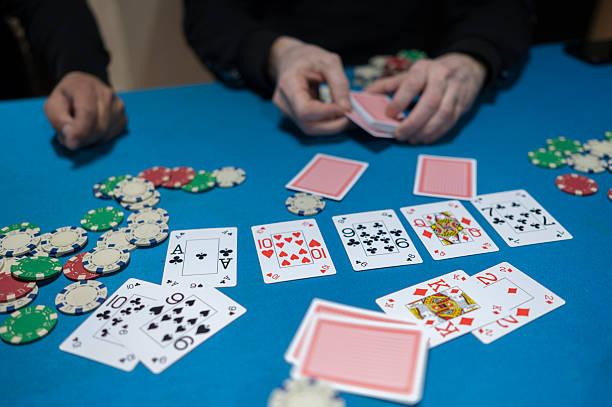
Another indication of gambling addiction is the inability to control gambling behaviors despite negative consequences. Those struggling with this addiction may gamble larger amounts of money to achieve the same thrill or may continue to gamble to recoup losses. This creates a vicious cycle where the individual gambles more, leading to deeper financial difficulties and emotional distress.
Emotional changes can also serve as a red flag. Individuals may experience heightened anxiety, irritability, or depression, especially when trying to cut back on gambling. They may lie to friends and family about their gambling habits or engage in risky behaviors to fund their gambling activities, further isolating themselves and worsening the addiction.
The Consequences of Gambling Addiction
The consequences of gambling addiction can be severe and far-reaching. Financial ruin is perhaps the most apparent outcome, as individuals may deplete their savings, max out credit cards, or take out loans in an attempt to fuel their gambling habits. This financial strain can lead to bankruptcy, homelessness, or an inability to meet basic needs, creating a cycle of stress and desperation.
Social relationships often suffer as a result of gambling addiction. Family members and friends may feel betrayed or hurt by the individual’s gambling behavior, leading to conflicts and breakdowns in communication. Trust is eroded, and individuals may find themselves increasingly isolated as loved ones withdraw in response to their harmful actions. This emotional toll can exacerbate feelings of loneliness and hopelessness.
Additionally, the mental health implications are significant. Gambling addiction is often linked with other mental health issues such as anxiety disorders, depression, and substance abuse. The stress of managing an addiction can lead to emotional instability, making it crucial for individuals to seek help not only for their gambling habits but also for their overall mental well-being.
Impact on Personal and Professional Life
The impact of gambling addiction extends beyond finances and relationships, affecting personal and professional life as well. Many individuals find that their performance at work declines due to distractions caused by gambling. They may miss deadlines or become less productive, which could jeopardize their careers. In extreme cases, individuals may face job loss, making recovery even more challenging.
In personal life, gambling addiction can lead to neglecting essential responsibilities, such as caring for children or maintaining a household. This neglect can result in strained family dynamics, where children may suffer from lack of attention or support, leading to emotional or behavioral issues. The ripple effect of gambling addiction can disrupt entire families, making recovery efforts more complex.
Furthermore, the lifestyle choices made under the influence of gambling addiction can lead to risky behaviors. Individuals may engage in illegal activities, such as theft or fraud, to fund their gambling, which can have legal ramifications. This not only adds to the individual’s burden but can also create a stigma that complicates recovery efforts and reintegration into society.
Recovery Strategies for Gambling Addiction
Overcoming gambling addiction requires a comprehensive approach that includes therapy, support groups, and lifestyle changes. Cognitive-behavioral therapy (CBT) is a highly effective treatment option, as it helps individuals identify and modify unhealthy thought patterns and behaviors associated with gambling. Through CBT, individuals can develop coping strategies to manage cravings and triggers, paving the way for healthier decision-making.
Support groups, such as Gamblers Anonymous, offer a community of individuals who share similar struggles and successes. Being part of such a group provides emotional support and accountability, allowing individuals to connect with others who understand their experiences. Sharing stories and strategies can foster motivation and hope, reinforcing the belief that recovery is possible.
In addition to therapy and support groups, making lifestyle changes is crucial for recovery. Engaging in new hobbies, fostering healthy relationships, and practicing mindfulness techniques can help individuals redirect their focus and energy. Establishing a structured routine and setting achievable goals can further support the recovery journey, ensuring that individuals replace gambling with more fulfilling activities.

Resources and Support for Recovery
Finding the right resources is essential for those struggling with gambling addiction. Numerous organizations and hotlines offer support, information, and guidance for individuals seeking help. These resources can provide critical information about local treatment options and support groups, making it easier for individuals to take the first step towards recovery.
Online communities and forums can also be beneficial, allowing individuals to connect with others facing similar challenges. These platforms provide anonymity and the opportunity to share experiences, insights, and recovery strategies, which can be incredibly empowering. Additionally, many websites offer educational materials about gambling addiction, helping individuals and their families understand the complexities of this disorder.
It is important to remember that recovery is a personal journey, and different strategies work for different individuals. Consulting with mental health professionals can help tailor a recovery plan that fits individual needs. Recognizing the signs and seeking help promptly can greatly increase the likelihood of successful recovery, ultimately leading to a healthier and more fulfilling life.